Is "Runner's Knee" Actually a Foot Problem?
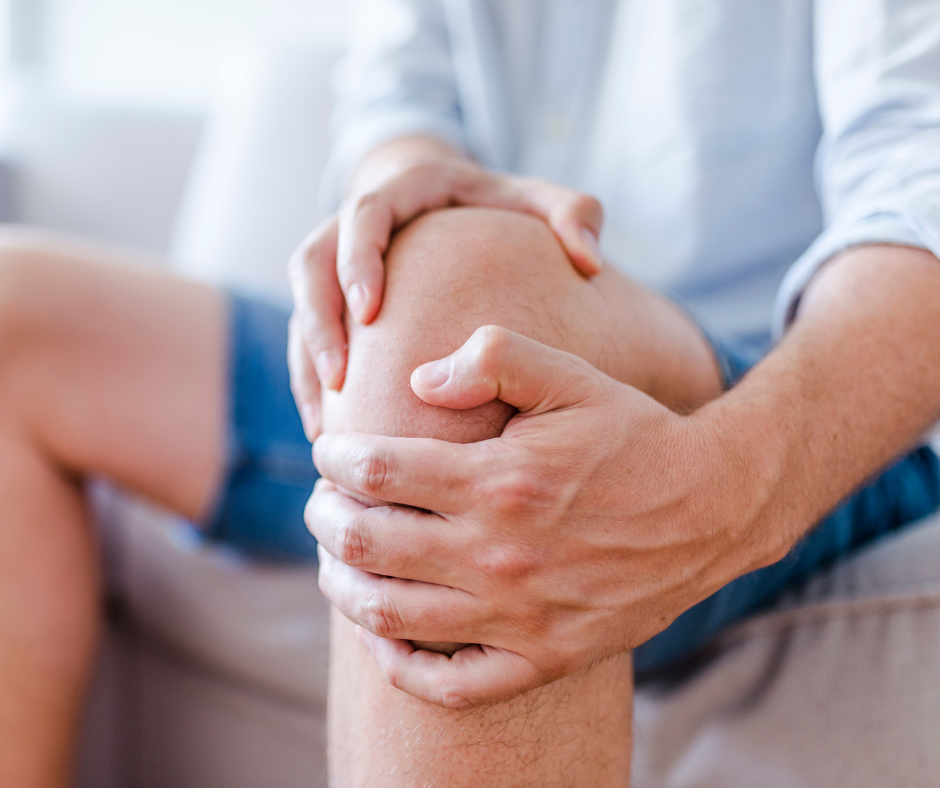
You are miles into your run when that familiar, dull ache starts throbbing behind your kneecap. You know the drill: You ice it, you rest for a week, and you buy a knee brace.
But as soon as you start running again, the pain returns.
This is the most common frustration we hear from runners. They treat the symptom (the knee) endlessly without realizing the source is actually hitting the ground below them. If you have stubborn "Runner's Knee" (Patellofemoral Pain Syndrome), the culprit is likely your feet. In this blog, The Center for Podiatric Care and Sports Medicine explains why.
The Kinetic Chain: It’s All Connected
Think of your leg like a chain reaction. Your foot is the first domino.
The Mechanism: When your foot hits the ground, it naturally rolls inward to absorb shock. This is called pronation.
The Glitch: If you have flat feet or weak arches, you overpronate. Your foot rolls in too far and stays there too long.
Here is where the knee gets hurt:
· When the foot rolls inward, the shin bone (tibia) twists inward with it. But your thigh bone (femur) stays relatively stable.
· This torque forces the kneecap to track incorrectly, grinding against the groove it sits in rather than gliding smoothly.
You feel the pain in the knee, but the twist started at the ankle.
The "Mirror Test"
You can often see this biomechanical flaw yourself.
Stand in front of a full-length mirror in shorts.
Look at your ankles: Do they roll inward toward each other?
Look at your knees: Do your kneecaps point straight ahead, or do they "squint" inward (knock-kneed)?
Do a single-leg squat: Watch your knee. Does it dive inward toward your midline?
If your knee collapses inward when you move, your foundation is unstable. No amount of knee bracing will fix that!
The Fix: Stabilize the Foundation
To stop the knee from twisting, you have to stop the foot from collapsing.
1. The Right Shoe:
If you are overpronating, a neutral, cushioned shoe (like a Nike Pegasus) might be making things worse. You likely need a Stability Shoe (like the Brooks Adrenaline or ASICS Kayano) that has a denser foam post on the inside to prevent excessive roll.
2. Custom Orthotics
For many runners, a shoe isn't enough. Custom orthotics are the gold standard for Runner's Knee. We build a device that locks your subtalar joint (ankle) into neutral. By physically blocking the foot from over-rotating, we instantly align the shin and the knee. The grinding stops because the torque stops.
3. Hip Strength
Often, weak hips contribute to the collapse. Strengthening your gluteus medius (side hip muscle) helps hold the femur steady while the orthotic holds the tibia steady.
Stop Pain At Its Source!
Your knee is just the victim of a bad relationship between your foot and the ground. If you are tired of the "ice, rest, repeat" cycle, let’s look at your mechanics.
Schedule a gait analysis today. Let’s straighten out your Kinetic Chain!
At The Center for Podiatric Care and Sports Medicine, we offer busy New Yorkers prompt diagnosis and treatments specific to their individual needs. Podiatrists Dr. Jonathan M. Levy, Dr. Nadia F. Levy, Dr. Diane M. Castro, Dr. Josef Geldwert, and Dr. Katherine Lai are eager to help you at our convenient mid-town Manhattan or Upper East Side locations. Contact us today.
