
Why Do My Toes Go Numb When I Cycle? Resolving "Hot Foot" and Nerve Pain
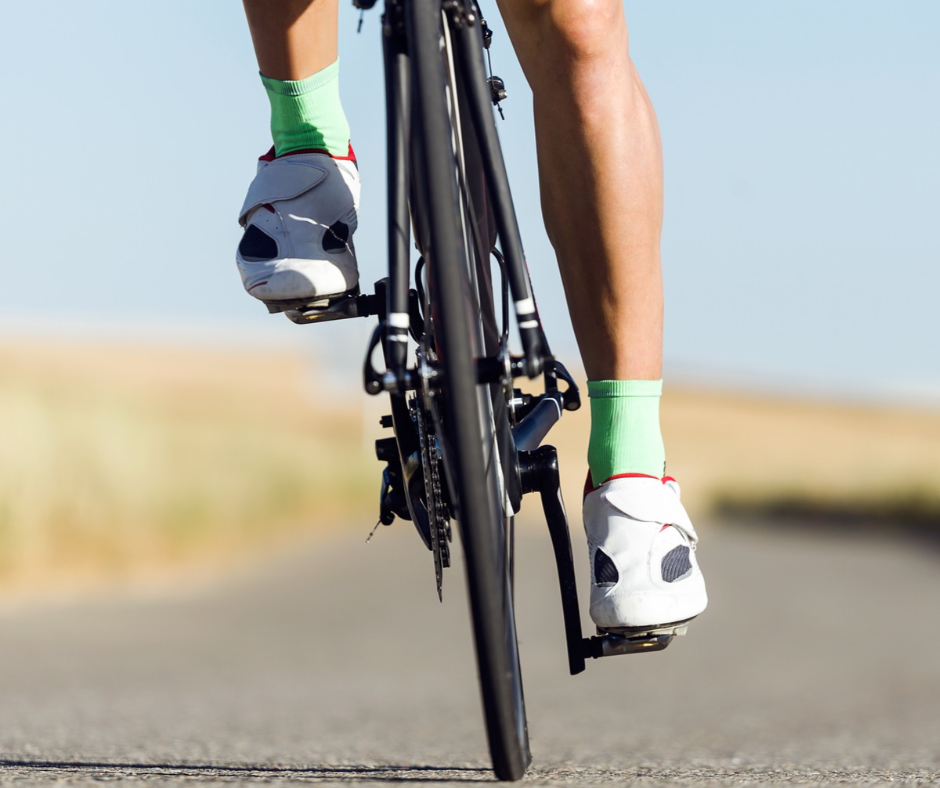
Whether you’re logging miles in Central Park or hitting a high-intensity class before heading into the office, cycling is a serious cardiovascular workout. The flip side? It takes a toll on the feet! Many athletes find their rides cut short by a frustrating and painful sensation in their cycling cleats.
If you are dealing with a burning sensation in the ball of your foot or toes that go numb ten minutes into your ride, you might be experiencing a phenomenon commonly known in the cycling community as "Hot Foot." Read on to learn how The Center for Podiatric Care and Sports Medicine can help you ride comfortably again!
Quick Answer
Why do my feet go numb when I ride a bike?
Cycling foot numbness is usually caused by mechanical nerve compression.
· When you push down on the pedals, the rigid sole of your cycling shoe forces your metatarsal bones together.
· This sustained pressure pinches the delicate digital nerves running to your toes, causing immediate burning, tingling, and numbness (often an early sign of a Morton's Neuroma).
· To fix this, you must alleviate the pressure using wider cycling shoes, adjusting your cleat position, or by utilizing custom cycling orthotics.
Expert Q&A: Decoding Cycling Foot Pain
Q: Is it normal for my toes to tingle on a stationary bike?
A: No, numbness and tingling are never "normal" signs of a good workout; they are neurological warning signs.
· While mild muscle fatigue is expected, nerve compression indicates a biomechanical flaw.
· Ignoring this tingling can lead to permanent thickening of the nerve tissue, turning a temporary cycling issue into chronic, everyday pain.
Q: Could my cycling shoes be the problem?
A: Yes. In fact, footwear is often the culprit. Cycling shoes are intentionally designed to be rigid and snug to maximize power transfer to the pedals.
· However, if the toe box is too narrow for your specific foot anatomy, it squeezes your forefoot.
· When combined with the repetitive downward force of pedaling, the nerves are crushed between your metatarsal bones.
Q: How do I stop the burning sensation in the ball of my foot?
A: Quick relief often requires a multi-step approach to offload pressure on your forefoot:
- Adjust Your Cleats: Moving the cleat further back toward the heel of the shoe can shift the pedaling pressure off the sensitive ball of your foot and onto the sturdier midfoot.
- Loosen the Straps: During long rides, your feet naturally swell. Loosening the forefoot straps slightly can give your nerves the breathing room they need.
- Check Your Socks: Thick, heavy athletic socks take up valuable volume inside a stiff cycling shoe. Switch to a thin, moisture-wicking cycling sock to reduce internal friction and compression.
The Ultimate Fix: Custom Cycling Orthotics
We treat elite cyclists and weekend warriors alike. We can perform a comprehensive biomechanical evaluation to identify exactly where your foot is collapsing inside the shoe.
Instead of relying on generic inserts, we engineer prescription custom orthotics designed specifically for the rigid profile of cycling shoes. By adding a specialized metatarsal pad to your orthotic, we can physically spread your bones apart with every pedal stroke. This eliminates the mechanical compression on the nerve, keeping your feet comfortable and your power output at its peak!
At The Center for Podiatric Care and Sports Medicine, we offer busy New Yorkers prompt diagnosis and treatments specific to their individual needs. Podiatrists Dr. Jonathan M. Levy, Dr. Nadia F. Levy, Dr. Diane M. Castro, Dr. Josef Geldwert, and Dr. Katherine Lai are eager to help you at our convenient midtown Manhattan or Upper East Side locations. Contact us today.
